
Squarespace built its reputation on one thing that still matters a lot in 2025: it makes it easy to publish a beautiful website. Templates are polished, typography looks intentional, and even small brands can feel premium online without hiring a full design team.

But as more businesses treat their website as an active growth channel, the requirements change. Owners want more flexible layouts, faster iteration on landing pages, deeper integrations, and more control over how the site converts visitors into leads. This is where some Squarespace sites begin to feel boxed in. The platform is elegant, but it also has boundaries.
This review explains what Squarespace is designed to do, where it performs best, where it starts to feel restrictive, which types of sites tend to outgrow it first and what alternatives can be chosen instead.
What Squarespace Is Trying to Be
Squarespace is a hosted website platform. You pay a subscription and get hosting, templates, security updates, and a page editor in one place. The product is built around the idea that you should not have to assemble your website from separate parts. You choose a template, edit content, publish and maintain a professional look with minimal effort.
Squarespace is especially focused on design consistency. It guides you into layouts that are visually balanced and encourages a clean structure. For many businesses, that design guardrail is a benefit.
Where Squarespace Still Performs Extremely Well
The first clear strength is template quality. Squarespace designs tend to look premium without much work. Many site owners feel that Squarespace gives them a “finished” look faster than other builders, especially for portfolios, personal brands, small studios, and lifestyle businesses.
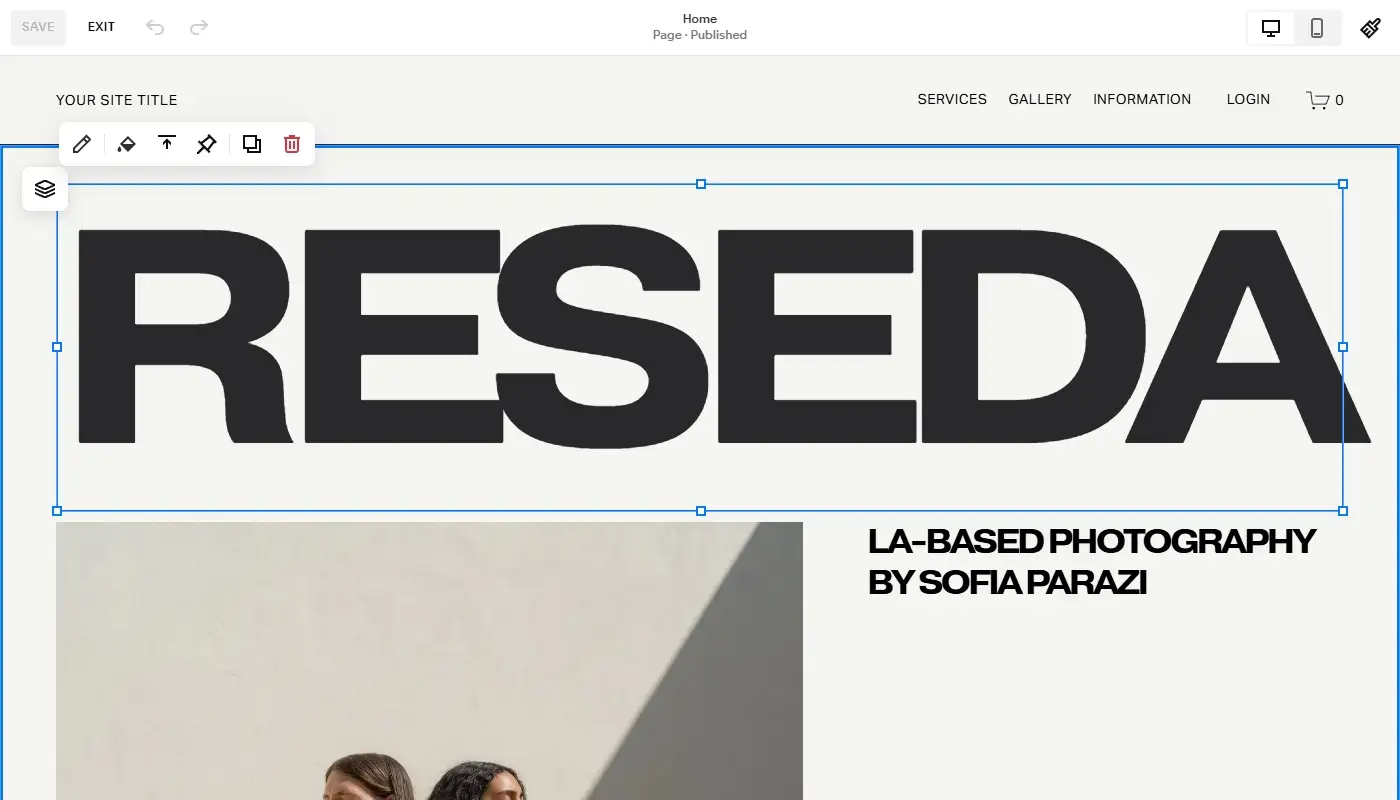
The editing workflow is also comfortable for basic updates. You can publish new pages, update text, swap images, and keep a site current without dealing with plugins or hosting choices. This low maintenance environment remains one of Squarespace’s core advantages.
Squarespace also works well for brands that value stability over experimentation. If your website is meant to present your business in a clean and consistent way, and you are not constantly launching new campaigns or testing new page structures, Squarespace can be a strong fit.
If this sounds like your situation and you are mainly looking to validate whether Squarespace is still enough, it makes sense to compare Squarespace with Wix (as one of the top website builders) to clarify what you gain and what you may lose by switching.
Where Squarespace Starts to Feel Limiting in 2025
The most common issue is layout flexibility. Squarespace is great at keeping design consistent, but that also means you can hit structural limits faster. If you want to build marketing style landing pages, custom service pages, unusual content blocks, or conversion focused layouts that change frequently, Squarespace can start feeling restrictive.
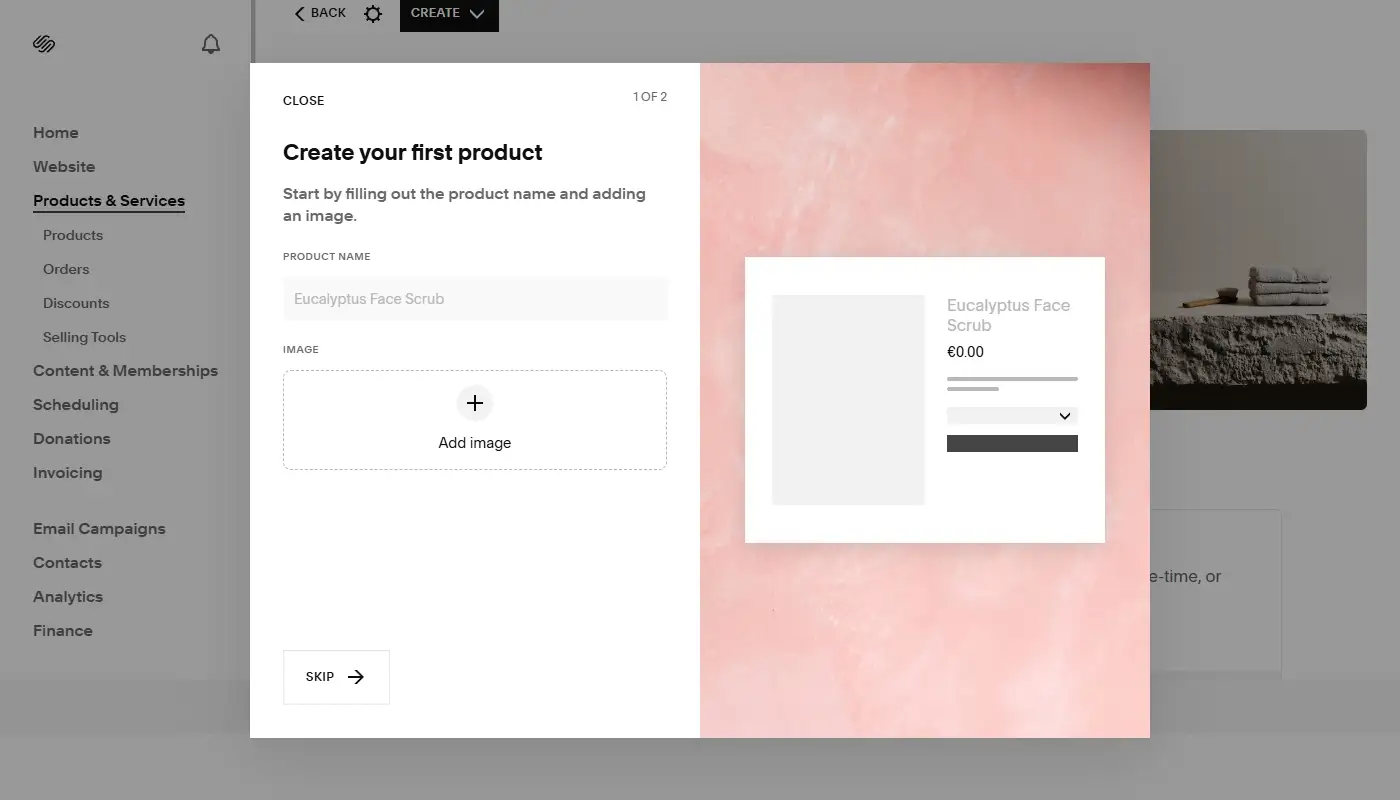
Integrations are another pressure point. Squarespace supports a number of tools, but the ecosystem is not as broad as some competitors. As businesses expand their marketing stack, they often want stronger automation, deeper CRM workflows, more analytics options, and more third party connections. If your site is becoming part of a more complex growth funnel, these gaps start to matter.
Ecommerce and membership features can also be a factor. Squarespace can support smaller stores, but when catalogs grow or operations become more demanding, many owners begin looking for platforms with broader commerce ecosystems. Even for non ecommerce businesses, the need for more advanced workflows can push owners toward a different system.
These limitations do not make Squarespace bad. They simply define what it is optimized for. If your website now needs to move faster, evolve more often, and support more marketing and lead generation workflows, Wix becomes an attractive upgrade. This review will explain why.
Pricing and the Real Cost of Convenience
Squarespace pricing is simple and predictable, which many owners like. But there is another cost that matters just as much: opportunity cost.
If you are avoiding landing pages because the layout tools feel restrictive, or you are delaying website improvements because you cannot easily build what you want, the platform is quietly slowing growth. This is one of the main reasons owners explore switching. They do not want a cheaper website. They want a site that can adapt to their business faster.
Who Squarespace Still Works For
Squarespace remains a strong option for businesses that want a beautiful, stable website and do not need endless structural flexibility. It is often a great fit for personal brands, creators, photographers, studios, and small companies whose website is primarily a presentation layer.
If you publish content occasionally and run simple funnels, Squarespace can still do the job. Many owners stay happily on Squarespace for years because it keeps their site looking clean with little maintenance.
When It Might Be Time to Leave Squarespace
It may be time to consider moving away from Squarespace if you feel boxed in by page layouts, if you want more freedom to create service specific pages and campaigns, or if you need deeper integrations for marketing and lead generation. Another common trigger is the desire to edit faster without fighting the system.
If you are leaning toward Wix, you do not have to manually rebuild every page from scratch. A structured Squarespace to Wix migration can recreate key pages and layouts in Wix, transfer content and media, and set up redirects where needed so the transition feels like a controlled upgrade rather than a chaotic rebuild.